Top 10 Benefits of Head Braces for Orthodontic Treatment?
Head braces play a crucial role in orthodontic treatment. These devices help align teeth and jaws effectively. Beyond aesthetics, head braces offer various benefits for oral health.
The primary advantage is improved bite function. A correctly aligned bite enhances chewing efficiency. This can lead to better digestion and overall health. Additionally, head braces contribute to clearer speech. Misaligned teeth often cause speech issues. By correcting these, patients can communicate more effectively.
Another significant benefit is the prevention of dental problems. Misalignment can lead to tooth decay and gum disease. Head braces help mitigate these risks. They create a foundation for lasting oral health. With these advantages, head braces represent a reliable option for those seeking orthodontic treatment. While some may find the adjustment period challenging, the long-term benefits can be substantial. Investing time in this treatment can lead to a healthier future.
Understanding Head Braces and Their Role in Orthodontics
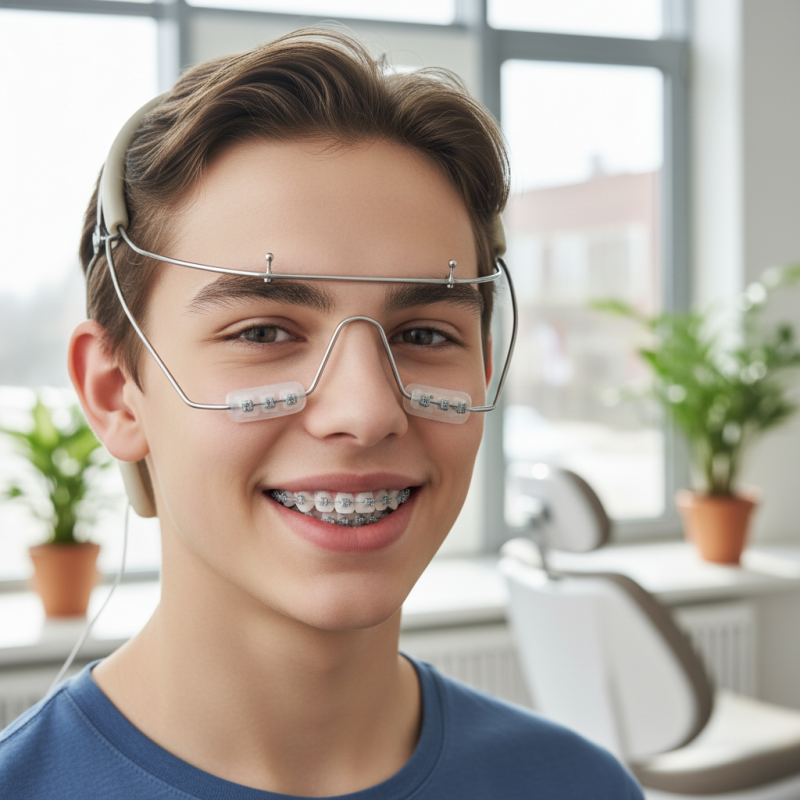
Head braces play a crucial role in orthodontic treatment. They are commonly used to correct alignment issues in growing children. According to a survey by the American Association of Orthodontists, nearly 45% of children require some form of orthodontic intervention by age 12. Head braces can help in cases where traditional braces alone may not suffice.
These devices apply gentle pressure to teeth and jaws. This pressure assists in guiding the teeth into their proper positions. Research indicates that patients often experience significant improvements in alignment. In fact, studies show that head braces can enhance treatment results by reducing treatment time by up to 25%. Such data highlights their importance in comprehensive orthodontic plans.
However, head braces are not without their challenges. Some patients may find them uncomfortable. There can also be issues with compliance, as children may be hesitant to wear them consistently. Understanding these factors is essential for parents and orthodontists. Effective communication about the importance of these devices can foster better cooperation. Ultimately, the goal is to achieve a healthy, confident smile.
How Head Braces Improve Teeth Alignment and Bite Correction
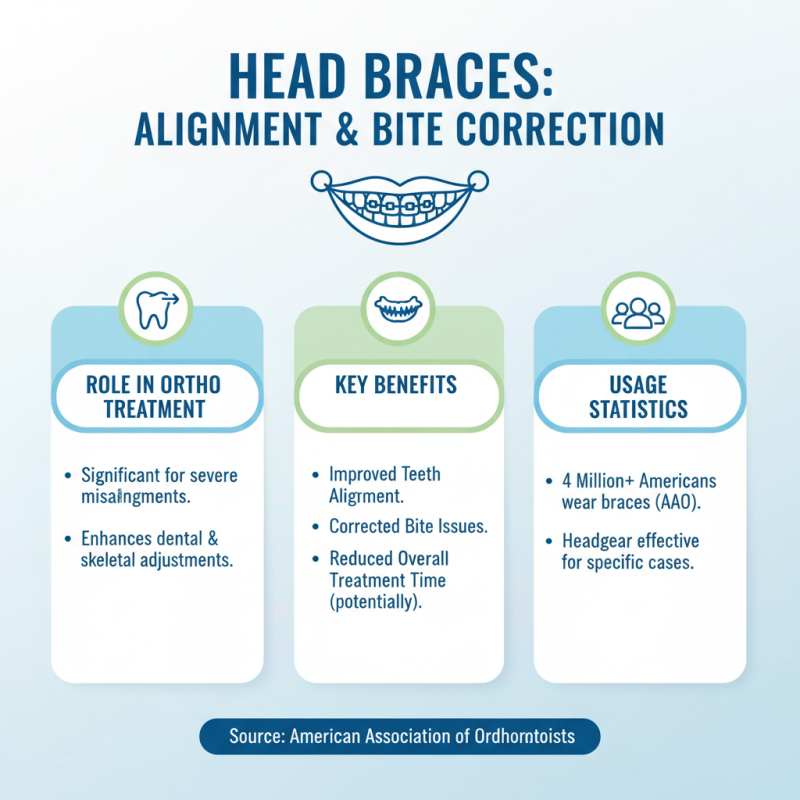
Head braces play a significant role in orthodontic treatment, particularly in improving teeth alignment and correcting bite issues. According to the American Association of Orthodontists, over 4 million people in the U.S. wear braces at any given time. Among these, head braces can be effective for specific cases, especially for patients dealing with severe misalignments. Research indicates that head gear can enhance dental and skeletal adjustments, potentially reducing overall treatment time.
Head braces exert gentle pressure on teeth and jaws, guiding them into proper alignment. By anchoring the teeth to the skull or neck, they help in repositioning the upper jaw and improving overbites or underbites. A study published in the Journal of Orthodontics found that patients who used head braces showed up to a 70% improvement in their jaw relations compared to those who did not. However, compliance is critical. Many patients struggle with wearing them consistently, which can affect treatment outcomes.
Nonetheless, head braces are not without their challenges. Some patients may experience discomfort or self-consciousness while wearing them. Reports show a need for better education on the importance of these devices. Regular check-ups and adjustments can ease discomfort but require a commitment from both the patient and the orthodontist. Overall, while head braces offer clear benefits, thoughtful consideration of the patient's lifestyle and willingness to wear them is crucial for success.
Enhancing Facial Aesthetics Through Head Braces Treatment
Head braces, often seen as a tool for alignment, play a significant role in enhancing facial aesthetics. Many individuals seek orthodontic treatment to improve their smiles. However, head braces address more than just teeth positioning. They help in shaping the jawline and correcting facial symmetry. This change often leads to increased self-confidence.
The process can be challenging. Wearing head braces requires patience and persistence. Adjustments can cause discomfort and frustration at times. Yet, the long-term benefits tend to outweigh these temporary struggles. Better facial proportions can lead to a more balanced, harmonious appearance. In turn, this boosts self-esteem in social interactions and personal life.
Orthodontic treatment is tailored for individual needs. Understanding these benefits helps patients commit to their journey. Visualizing the outcome can provide motivation. The desire for an improved appearance is a powerful driver. Embracing the process can lead to rewarding results, transforming not just smiles but lives as well.
Top 10 Benefits of Head Braces for Orthodontic Treatment
The Psychological Impact of Using Head Braces in Adolescents
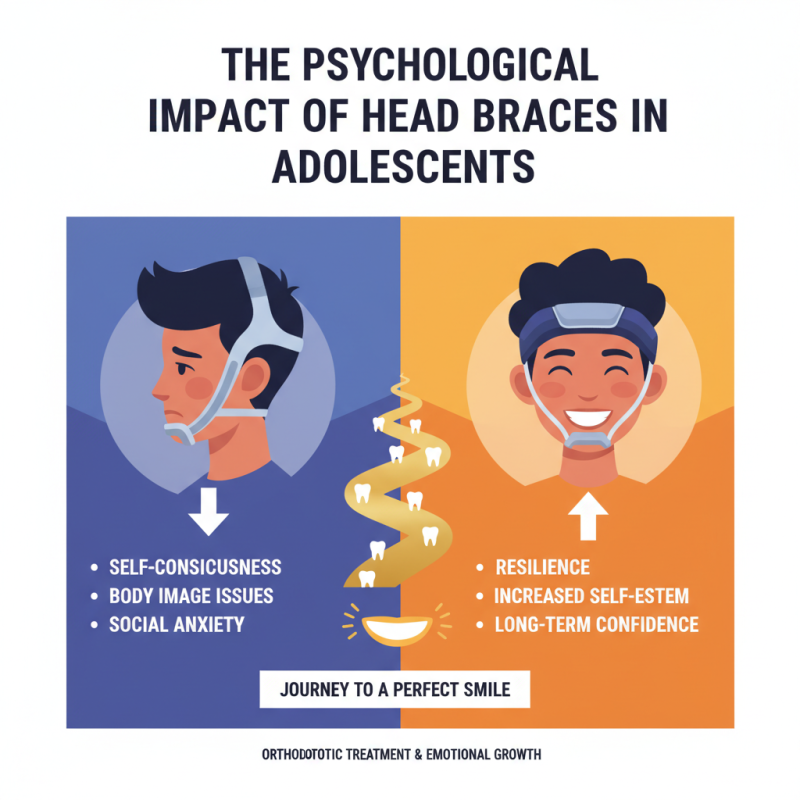
Using head braces during orthodontic treatment can have a significant psychological impact on adolescents. These devices are often bulky and can draw attention, which may lead to feelings of self-consciousness. Many teenagers struggle with their self-image, and the presence of head braces can exacerbate these insecurities. However, the journey to a perfect smile can also foster resilience. Adolescents may learn to cope with the challenges of wearing braces, which can enhance their self-esteem over time.
Social interactions are essential during adolescence, and the fear of being teased can be daunting. Some teenagers may avoid social activities due to their braces. On the flip side, wearing head braces can be an opportunity for bonding. Sharing experiences with others undergoing similar treatments can create supportive friendships. This shared experience might also promote discussions about personal challenges, leading to greater empathy among peers. It’s crucial for parents and caregivers to recognize these emotional aspects and provide encouragement and support throughout the treatment process.
Long-term Oral Health Benefits Associated with Head Braces Usage
Head braces, an often-overlooked component of orthodontic treatment, offer significant long-term oral health benefits. Many patients associate these tools solely with alignment. However, their impact extends far beyond creating a beautiful smile. They can aid in proper jaw alignment, which is crucial for long-term oral functionality. Correct alignment reduces the risk of uneven wear on teeth. This minimizes the potential for cavities and necessitates fewer dental procedures in the future.
Moreover, the use of head braces can improve airflow and enhance breathing. This can lead to better overall health, as it supports optimal oxygen intake during vital activities like sleeping and exercising. Patients might notice improvements in their sleep patterns, which is often an overlooked consequence of oral health connections. However, some individuals struggle with the discomfort associated with head braces during their initial phase. This discomfort can lead to a desire to avoid treatment altogether. Yet, overcoming these initial challenges often results in lasting health improvements.
Overall, embracing head braces during orthodontic treatment may be daunting, but the potential health benefits are significant. Individuals should consider these advantages, as they contribute to enhanced oral and overall health over time. It’s essential to reflect on both the immediate challenges and the future gains of this treatment approach.
Top 10 Benefits of Head Braces for Orthodontic Treatment
| Benefit |
Description |
| Improved Bite Alignment |
Helps correct overbites, underbites, and crossbites for better oral function. |
| Enhanced Facial Aesthetics |
Promotes a more balanced and attractive facial profile. |
| Reduced Tooth Wear |
Minimizes uneven wear on teeth due to misalignment. |
| Improved Oral Hygiene |
Easier cleaning due to straighter teeth reduces plaque retention. |
| Prevention of Jaw Pain |
Decreases the risk of temporomandibular joint disorders. |
| Better Speech Improvement |
Aligns teeth properly to enhance pronunciation and clarity of speech. |
| Long-term Investment |
Provides lasting results that reduce the need for future dental work. |
| Enhanced Confidence |
Improved appearance leads to better self-esteem and confidence. |
| Greater Overall Health |
Oral health contributes to overall health, reducing risks associated with gum disease. |
| Customized Treatment Plans |
Tailored approaches ensure specific needs are met for optimal results. |