How to Source Medical Braces Globally in 2026?

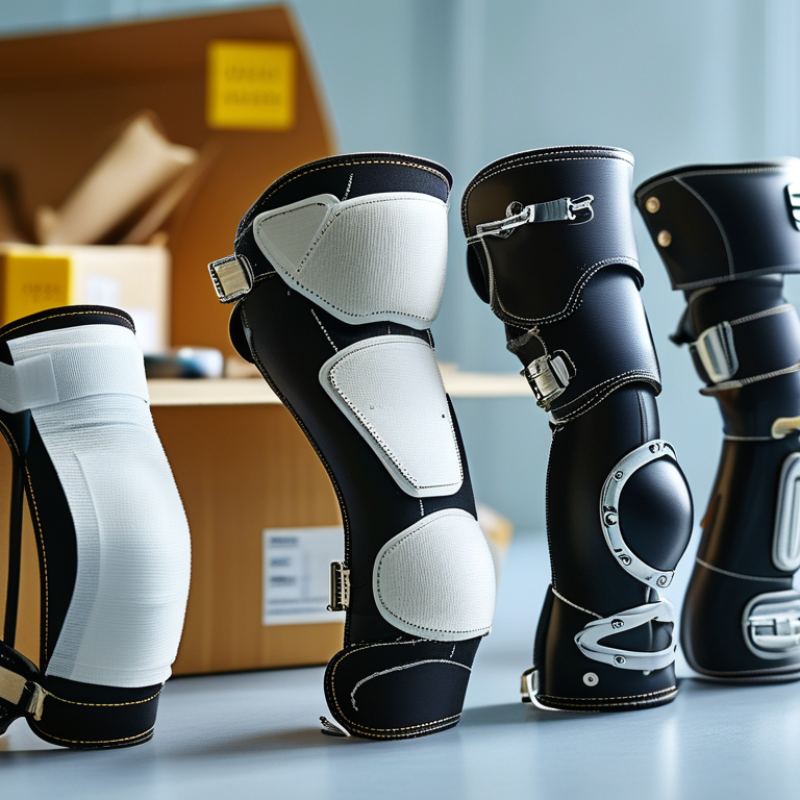
Sourcing medical braces globally in 2026 requires more than comparing factory quotations. It demands clinical judgment, supplier evidence, and careful attention to patient safety. The phrase braces medical products covers many categories, including knee supports, spinal orthoses, wrist splints, and post-operative devices. Each product may require different materials, measurements, testing, and documentation.

A reliable sourcing process begins with a clearly defined product specification. Describe the intended users, support level, size range, closure system, skin-contact materials, and packaging requirements. Ask suppliers for technical files, quality certificates, test reports, and manufacturing records. ISO 13485 certification can indicate a structured quality system, but it should not replace an independent review. Factory audits, sample inspections, and traceability checks remain valuable. Look closely at stitching, foam recovery, hinge movement, labels, and carton protection. Small defects can become uncomfortable problems after repeated use.

Regulatory expectations differ across markets. Importers should confirm classification, labeling, claims, registration, and post-market responsibilities with qualified local professionals. Clinical claims must match available evidence. Avoid promises that the product can cure, prevent, or replace professional treatment without proper support. Delivery speed also matters, but rushed sourcing can hide weak controls.

No checklist is perfect. A supplier may pass an audit and still struggle during peak production. A low price may conceal inconsistent materials or limited after-sales support. Build relationships, document decisions, and review performance after each shipment. With practical testing, transparent communication, and evidence-based evaluation, global sourcing can become safer, more predictable, and more defensible in 2026.

How to Source Medical Braces Globally in 2026?

Classify Brace Types Against WHO’s 2.5 Billion Assistive-Product Need

Global brace sourcing should begin with need, not catalogue size. The WHO and UNICEF Global Report on Assistive Technology estimates that 2.5 billion people need at least one assistive product today. This figure may exceed 3.5 billion by 2050. Orthotic suppliers should therefore classify products by clinical purpose, user age, and risk level.

Lower-limb braces include ankle-foot, knee, and foot orthoses. They support gait, joint stability, or post-injury recovery. Spinal braces manage posture and selected spinal conditions. Upper-limb braces support the wrist, hand, elbow, or shoulder. Pediatric braces require adjustable sizing and growth allowances. Within each group, separate soft, semi-rigid, rigid, prefabricated, and custom-fit designs. The WHO Priority Assistive Products List supports this needs-based approach.

Global buyers should verify material safety, sizing accuracy, cleaning instructions, and traceability. ISO 13485-based quality systems can strengthen supplier evaluation, although certification alone does not prove clinical suitability. Request test records, fitting guidance, user instructions, and complaint data. Check whether local clinicians can assess fit after delivery. A low-cost brace may fail when replacement parts are unavailable. It may also create pressure points during humid travel or long shifts. Our classification can still be imperfect; real users often need hybrid support. A spreadsheet cannot capture every gait pattern, cultural preference, or fitting error. WHO data gives scale, but responsible sourcing requires patient-level evidence.

Screen Suppliers Under ISO 13485, FDA Rules, and EU MDR 2017/745

Global sourcing of medical braces in 2026 requires more than comparing prices and production photos. Supplier screening should begin with an ISO 13485 certificate, but the certificate is not product approval. Check its issuing body, validity period, covered sites, and exact scope. A factory making supports is not automatically qualified to produce sterile devices.

Ask for controlled design records, material traceability, risk management files, and recent test reports. Review biocompatibility evidence, strength testing, labeling controls, and complaint handling. Records matter. During a remote audit, request a live video of incoming inspection and final release areas. A polished document package can still hide weak production discipline.

For the United States, confirm establishment registration, device listing, applicable classification, quality system controls, and any required premarket submission. Requirements depend on the brace’s intended use and risk profile. Under EU MDR 2017/745, examine technical documentation, clinical evaluation, post-market surveillance, vigilance procedures, and economic-operator responsibilities. Verify the notified-body status when conformity assessment requires it. Also confirm authorized-representative arrangements for non-EU manufacturers.

Do not rely on one audit. Compare batch records with purchase specifications and interview the quality manager. Ask how they handle a failed tensile test. The answer should include investigation, CAPA, and documented release decisions. Some suppliers may lack perfect records while showing honest improvement. That deserves attention, but not blind trust. Reassess suppliers after material changes, process transfers, serious complaints, or regulatory updates.

Compare Global Quotes Using HS Codes, MOQ, Lead Time, and Incoterms

How to Source Medical Braces Globally in 2026?

Reliable global sourcing starts with comparable data, not attractive unit prices. Ask each supplier to quote against the same product specification, including material, size range, support level, packaging, and labeling. Confirm the correct HS code with a customs professional, because classification can vary by product design and destination country. A wrong code may create delays, unexpected duties, or document problems.

MOQ affects cash flow and product testing. A lower MOQ can cost more per unit, but it reduces inventory risk. Request separate pricing for samples, pilot orders, and full production. Record lead time in stages: sample approval, manufacturing, inspection, and shipment. Ten production days may become four weeks after these steps. I once underestimated inspection time. That mistake changed the delivery plan.

Tips: Compare landed cost, not unit cost. Ask whether the Incoterm is EXW, FOB, CIF, or DDP, and identify who handles freight, insurance, customs, and import taxes. Get every assumption in writing. Check batch consistency, test reports, and traceability records. For medical products, verify destination-market requirements with qualified regulatory specialists. Keep a quote comparison sheet with HS codes, MOQ, lead time, Incoterms, payment terms, and validity dates. Small omissions matter.

Validate Brace Safety Through ISO 14971 Risk Management Requirements

When sourcing medical braces globally in 2026, safety validation should begin before price negotiations. The key question is not whether a supplier has an ISO certificate. It is whether the brace has a traceable risk management process. ISO 14971:2019 provides a structured method for identifying hazards, estimating risks, applying controls, and reviewing residual risks.

A practical review should connect each risk to a design or production control. Check pressure points, skin irritation, restricted circulation, incorrect sizing, material reactions, and loss of support during movement. Ask for a risk management summary, intended-use definition, verification records, and complaint-handling procedures. You should also compare these documents with physical samples. A polished file can still hide weak testing.

Small details matter.

Inspect stitching under tension. Measure fastening force after repeated use. Review labeling for fitting errors and cleaning limits. Suppliers should explain how production changes affect existing risk controls. Keep records of questions, responses, sample results, and unresolved concerns. This evidence supports consistent decisions across countries and manufacturing sites.

Post-market information deserves equal attention. Request data on returns, adverse events, misuse patterns, and corrective actions, while respecting confidentiality requirements. ISO 14971 does not remove uncertainty; it makes uncertainty visible and manageable. One uncomfortable finding may be a sizing chart that works in testing but fails for real users. That should trigger investigation, not quiet approval. Risk acceptance must remain justified, documented, and aligned with the brace’s intended use and applicable market requirements.

Plan 2026 Supply Continuity Against WHO’s 3.5 Billion-Need Projection for 2050

How to Source Medical Braces Globally in 2026?

Plan 2026 Supply Continuity Against WHO’s 3.5 Billion-Need Projection for 2050

The WHO’s projection of 3.5 billion people needing assistive products by 2050 signals serious pressure on brace supply. In 2026, buyers should plan beyond immediate hospital orders. Demand can rise after injuries, aging trends, workplace strain, and limited rehabilitation access. A single low-cost supplier may look efficient, but it can create fragile continuity.

Build a sourcing plan around verified manufacturers, documented quality systems, and realistic production capacity. Request material specifications, sizing data, test reports, and traceability records before approving samples. Check whether factories can maintain consistent compression, support, stitching, and packaging quality. Import rules also vary by market. Confirm product classification, labeling, and clinical-use requirements with qualified local advisers. Do not rely on copied certificates. They are easy to misunderstand.

Tips: Keep at least two qualified supply routes for critical brace types. Reserve capacity before seasonal demand peaks. Store fast-moving sizes near major care centers. Review defect rates monthly, not annually. Ask suppliers how they handle raw-material shortages. Then test their answer.

One practical warning remains. Forecasts are not purchase orders. My own planning would include a modest buffer, but not an oversized stockpile. Patient needs change, and unused braces can become outdated or poorly matched. Review demand every quarter using clinic data, injury patterns, lead times, and back-order records. Good sourcing is not only about price. It is about dependable support when a patient cannot wait.

How to Source Medical Braces Globally in 2026? - Plan 2026 Supply Continuity Against WHO’s 3.5 Billion-Need Projection for 2050
Priority Market Relevant Population or Access Driver Common Medical-Brace Categories Regulatory and Documentation Checkpoint 2026 Sourcing Planning Signal Recommended Supply-Continuity Action Risk Level
North America High demand for post-operative, sports-medicine, osteoarthritis, spinal, and rehabilitation support products. Public and private reimbursement requirements can influence product selection. Knee orthoses, ankle-foot orthoses, wrist supports, spinal orthoses, cervical collars, and post-operative immobilizers. Confirm the applicable medical-device classification, establishment registration, product listing, labeling, quality-system evidence, and importer responsibilities in the destination country. Demand is sensitive to reimbursement coding, clinical documentation, seasonal injury patterns, and hospital purchasing cycles. Maintain at least two qualified production sources for high-volume sizes and keep a regional safety stock for critical post-operative products. Medium
European Union and EEA Large aging population and established rehabilitation services create sustained demand for mobility and orthopedic-support products. Elastic knee braces, rigid knee orthoses, lumbar supports, scoliosis braces, wrist-hand orthoses, and walking supports. Check Medical Device Regulation requirements, risk classification, technical documentation, clinical evaluation, post-market surveillance, authorized-representative arrangements, and conformity marking obligations. Product changes, material substitutions, and size-range changes may require documented regulatory review before release. Freeze technical specifications early, qualify alternative materials, and retain complete traceability for each production lot. High
United Kingdom Demand is supported by orthopedic care, community rehabilitation, occupational health, and home-care pathways. Knee, ankle, wrist, shoulder, spinal, and post-operative braces. Verify the current Great Britain and Northern Ireland market route, local representation requirements where applicable, labeling rules, and vigilance obligations. Separate market documentation and inventory planning may be required for Great Britain and Northern Ireland. Use market-specific labeling control and avoid mixing units with different documentation or conformity status. High
Japan and South Korea Older population structures and advanced rehabilitation systems support demand for orthopedic and mobility-assistance products. Low-profile knee braces, spinal supports, ankle supports, wrist supports, and rehabilitation orthoses. Review local medical-device classification, importer or marketing-authorization responsibilities, local-language labeling, and applicable quality-management requirements. Fit, comfort, sizing accuracy, packaging quality, and local-language instructions are important acceptance factors. Validate translated instructions, perform fit testing with local users, and hold finished goods near major distribution centers. Medium
China Large population base, expanding rehabilitation capacity, and increasing demand for orthopedic and home-care products. Knee orthoses, lumbar supports, ankle-foot supports, cervical collars, and post-operative braces. Determine the applicable device class, registration or filing route, Chinese labeling requirements, local agent responsibilities, and product-testing documentation. Registration status and localization requirements can affect launch timing and import continuity. Confirm the regulatory route before tooling or artwork approval and maintain a documented local import plan. High
India Large population, rising healthcare access, high trauma and rehabilitation needs, and growing use of assistive products. Knee braces, ankle supports, wrist supports, spinal belts, cervical collars, and lower-limb orthoses. Check applicable medical-device rules, import licensing, product classification, labeling, quality documentation, and state-level distribution requirements. Price sensitivity and fragmented distribution can affect availability across urban and rural care settings. Use a tiered product portfolio, localize packaging where required, and qualify suppliers able to support smaller replenishment lots. High
Southeast Asia Growing healthcare infrastructure, manufacturing activity, sports participation, and demand for affordable rehabilitation products. Elastic knee and ankle braces, wrist supports, lumbar supports, shoulder immobilizers, and post-operative supports. Check the destination country’s medical-device registration, ASEAN-related requirements where applicable, importer obligations, and local-language labeling. Regulatory procedures and customs requirements vary significantly between countries. Build country-specific compliance files and use a regional distribution hub only when documentation remains valid in each destination market. High
Middle East Demand is influenced by trauma care, chronic disease management, rehabilitation programs, and hospital procurement projects. Knee orthoses, spinal supports, ankle-foot orthoses, cervical collars, and post-operative immobilizers. Confirm national authority requirements, authorized importer arrangements, Arabic or bilingual labeling, product certificates, and tender documentation. Public tenders may create concentrated demand, strict delivery windows, and documentation-heavy purchase processes. Prepare tender-ready technical files, maintain buffer stock before award-based deliveries, and verify temperature-controlled storage requirements for sensitive materials. High
Sub-Saharan Africa Unmet need is associated with limited rehabilitation access, trauma, congenital conditions, disability, and shortages of assistive products and trained personnel. Basic knee, ankle, wrist, spinal, and cervical supports; durable post-injury immobilizers. Review national import rules, procurement specifications, humanitarian-use requirements, labeling, and applicable quality or safety documentation. Affordability, durability, repairability, and reliable distribution are often more important than complex product features. Offer standardized sizes, durable materials, multilingual instructions, spare components, and regional stock positioned near reliable transport routes. High
Latin America and the Caribbean Demand is supported by aging, musculoskeletal conditions, sports injuries, road trauma, and uneven access to rehabilitation services. Knee braces, ankle supports, lumbar supports, wrist-hand orthoses, shoulder immobilizers, and cervical collars. Check country-specific sanitary registration, importer requirements, Spanish or Portuguese labeling, customs documentation, and public-procurement rules. Currency volatility, import lead times, and country-specific approval requirements can affect landed cost and continuity. Use dual-currency cost models, regional inventory buffers, and standardized documentation packages that can be adapted by country. High
Global Supplier Qualification WHO reports that more than 2.5 billion people currently need at least one assistive product, and this number is projected to exceed 3.5 billion by 2050. All brace types, including soft supports, rigid orthoses, custom-fit products, and post-operative devices. Verify quality-management certification, risk-management records, biocompatibility evidence where relevant, product testing, complaint handling, change control, and lot traceability. Global demand growth increases exposure to capacity constraints, raw-material shortages, regulatory changes, and supplier concentration. Use a supplier scorecard covering quality, capacity, lead time, financial resilience, geographic risk, tooling ownership, and business-continuity capability. High
2026 Inventory Policy Braces depend heavily on correct body measurements, laterality, age group, clinical indication, and size availability. Fast-moving standard sizes, pediatric sizes, bariatric sizes, left/right versions, and adjustable designs. Ensure every stock-keeping unit has controlled instructions, packaging, labeling, batch identification, and documented inspection criteria. Stock-outs are more likely when procurement plans cover product models but not size, side, or configuration demand. Forecast at size-and-laterality level, reserve capacity for core sizes, and use a documented reorder point based on demand variability and supplier lead time. High
Continuity Metrics Assistive-product access depends on availability, affordability, appropriate fit, trained fitting support, and follow-up service. All clinical and non-custom brace categories. Maintain controlled records for supplier audits, incoming inspection, nonconformities, corrective actions, recalls, and post-market complaints. Recommended monitoring indicators include supplier on-time delivery, defect rate, fill rate, stock-out days, complaint rate, and forecast accuracy. Review continuity metrics monthly and conduct a formal supply-risk review at least quarterly during 2026. Medium
Data note: The 3.5 billion figure refers to the World Health Organization’s projection for the number of people who may need at least one assistive product by 2050. It is not a brace-only forecast. Regional risk ratings and inventory actions in this table are procurement-planning assessments rather than official market-size statistics; they should be validated against destination-country regulations, clinical demand, reimbursement conditions, and supplier performance before purchasing.