Top 10 Medical Accessories Suppliers in China for Global Buyers
The medical accessories sector in China has witnessed remarkable growth over the past decade. According to a report by Market Research Future, the global medical equipment accessories market is expected to reach over $200 billion by 2025. This surge highlights the increasing demand for quality medical accessories, especially in developing regions.
China, as a manufacturing powerhouse, plays a crucial role in supplying medical accessories to global buyers. The nation boasts a wide array of suppliers, from small-scale manufacturers to large enterprises. Many of these suppliers adhere to international quality standards, ensuring reliability. However, some suppliers do struggle with quality control, raising questions about the consistency of products.
While the potential for growth is significant, buyers must navigate a complex landscape. Finding trustworthy suppliers remains a challenge. It's vital to scrutinize certifications and reviews. Ultimately, understanding the landscape of medical accessories in China can lead to successful partnerships for global buyers.

Overview of the Medical Accessories Market in China
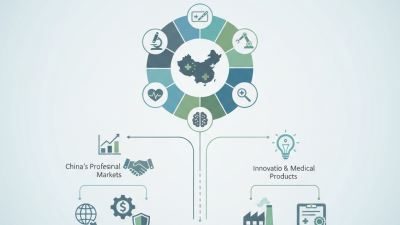
The medical accessories market in China is vast and diverse, catering to various global needs. This market includes items ranging from diagnostic tools to surgical instruments. The demand for high-quality medical accessories has surged, driven by an aging population and increased focus on health care. Chinese manufacturers are becoming key players in this sector, ensuring that quality standards are met.
Many suppliers prioritize innovation and technology. They aim to provide products that enhance the efficiency of medical professionals. This focus often leads to the introduction of smart medical accessories. However, navigating this market can be challenging for global buyers. It is essential to verify supplier reliability and quality control measures. Buyers must stay informed about regulations and standards that apply to medical accessories.
The competitive landscape is evolving. Manufacturers are exploring new materials and designs, yet the prevalence of subpar products still exists. This reality calls for cautious sourcing practices. Buyers should examine product certifications and reviews carefully. While the potential for market growth is significant, it comes with risks that require careful consideration.
Criteria for Selecting Reliable Medical Accessories Suppliers
Selecting reliable medical accessories suppliers is crucial for global buyers. Understanding the criteria for evaluation can significantly impact procurement decisions. According to industry reports, more than 70% of medical device companies emphasize supplier reliability as a critical factor in their purchasing process. Supplier certifications and quality management standards play a vital role, but assessing compliance with ISO 13485 can be complex. Regular audits and performance assessments help ensure that suppliers maintain high standards.
Moreover, communication is key. A supplier should offer prompt responses and clear information about products. Efficient logistics and delivery timelines must also be considered. Reports indicate that 60% of companies faced issues due to delays in shipping or misunderstood requirements. Buyers should assess suppliers' past performance through references and case studies to gauge their reliability.
Pricing is an important aspect, but it should not be the sole factor. Competitive pricing should not compromise quality. Flexibility in manufacturing is also valuable. Customization options allow suppliers to meet specific needs. Finding the right balance is essential for fostering long-term partnerships. Reflecting on past experiences and supplier interactions can guide future choices in this complex landscape.
Top 10 Medical Accessories Suppliers and Their Key Products
When exploring medical accessories suppliers in China, buyers often seek reliability and quality. Many suppliers offer a range of products including surgical instruments, diagnostic tools, and personal protective equipment. These items are crucial for healthcare professionals, ensuring safety and efficiency during medical procedures.
One prominent category is surgical instruments. Suppliers provide options that vary in material and design. Stainless steel is common for its durability. Diagnostic tools such as thermometers and blood pressure monitors also attract attention. They must meet international standards to reassure buyers of their effectiveness. Personal protective equipment like masks and gloves are essential, especially in the current health climate.
Buyers should consider the certifications of these suppliers. Not all manufacturers maintain high standards. It is vital to verify their compliance with safety regulations. Communication can sometimes be a challenge due to language barriers. Establishing clear expectations helps overcome this issue. Reflecting on these aspects may lead to better partnerships and product satisfaction.
Impact of Global Demand on Chinese Medical Accessories Supply
The global demand for medical accessories has surged in recent years. This rising demand has significantly impacted the supply chain in China. Manufacturers are responding to international needs, adjusting their production volumes. Workers are often under pressure to meet deadlines, which can lead to quality control issues. Striking the right balance between quantity and quality is a persistent challenge.
Chinese suppliers are increasingly focusing on innovation and technology. They aim to enhance efficiency and reduce costs. However, not all manufacturers have the same capabilities. Some smaller suppliers may struggle to keep up with the quality standards that global buyers expect. This inconsistency can lead to trust issues in international trade.
Understanding these dynamics is crucial for global buyers. Those who actively engage with suppliers can build better relationships. Transparent communication is important, especially when discussing quality and delivery timelines. The interplay between global demand and production capability will likely continue to evolve, shaping the future of the medical accessories market.
Future Trends in China's Medical Accessories Industry
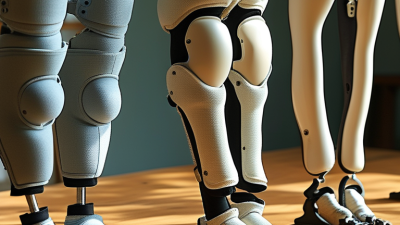
The future of China's medical accessories industry seems promising. Increasing demand for advanced healthcare solutions drives innovation. Companies are exploring new materials and technology for better product performance. This could lead to more durable and efficient medical accessories. Sustainability is also gaining traction. Manufacturers are looking for eco-friendly options to meet global standards.
Digital transformation plays a vital role. Companies are using AI and IoT to enhance manufacturing processes. Smart medical devices are emerging. These innovations can lead to improved patient outcomes and streamlined operations. However, challenges remain. Regulatory hurdles can slow down product launches. Ensuring compliance with international standards is crucial for supplier success.
As the industry evolves, adaptability is key. Suppliers need to stay ahead of trends and consumer preferences. Continuous research and development are essential. A focus on collaborative partnerships can foster growth. Engaging with healthcare professionals offers valuable insights. This can help tailor products to meet specific needs. The complex landscape requires a strategic approach for sustained success.
Top 10 Medical Accessories Suppliers in China for Global Buyers
| Rank |
Product Category |
Annual Revenue (in million $) |
Market Share (%) |
Growth Rate (%) |
Export Volume (in million $) |
| 1 |
Surgical Instruments |
200 |
25 |
10 |
150 |
| 2 |
Diagnostic Equipment |
180 |
20 |
8 |
130 |
| 3 |
Patient Monitoring |
160 |
15 |
12 |
120 |
| 4 |
Personal Protective Equipment |
140 |
18 |
9 |
100 |
| 5 |
Rehabilitation Equipment |
120 |
10 |
15 |
90 |
| 6 |
Dental Accessories |
100 |
12 |
6 |
80 |
| 7 |
Laboratory Equipment |
80 |
14 |
5 |
70 |
| 8 |
Implants |
60 |
8 |
7 |
50 |
| 9 |
Wound Care Supplies |
50 |
6 |
3 |
40 |
| 10 |
Consumables |
40 |
5 |
4 |
30 |