How to Choose the Right Professional Medical Products?
Choosing the right professional medical products can be a daunting task. With so many options available, it's easy to feel overwhelmed. Dr. Emily Clarke, a leading expert in biomedical engineering, once stated, "Selecting quality medical products is crucial for patient safety and effective care."
It's essential to consider factors like functionality, safety standards, and manufacturer reputation. For instance, products must meet stringent regulatory requirements. This ensures they are reliable and effective for clinical use. Additionally, understanding the specific needs of healthcare providers can make a significant difference.
Many professionals overlook the importance of user feedback and clinical trials. Real-life applications provide valuable insights into product performance. Therefore, it's necessary to seek out peer reviews and case studies. Engaging with the medical community can also shed light on the best choices. In the end, choosing the right professional medical products is about informed decisions, not just brand names or price tags.

Understanding the Different Types of Professional Medical Products
When selecting professional medical products, it’s essential to understand the different categories available. Medical products can range from diagnostic tools to therapeutic equipment. Knowing these types helps ensure appropriate choices for patient care.
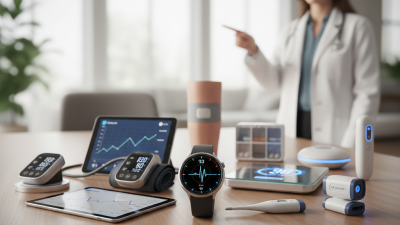
Diagnostic tools include items like thermometers and blood pressure monitors. These products are vital for assessing health conditions. Therapeutic devices can be anything from simple bandages to complex machines like ventilators. Each product serves a specific purpose in patient treatment.
Quality and reliability are key when choosing medical products. It’s important to research manufacturers and the technology involved. However, many professionals overlook the ongoing need for education about new products. This can lead to misuse or ineffective treatment. Relying solely on past experience might not be enough in a fast-evolving field. Health providers must remain vigilant and continually update their knowledge.
Identifying Your Specific Medical Needs and Requirements
Identifying your specific medical needs is essential when choosing professional medical products. Begin by assessing your health condition. Consider your symptoms, any recent diagnoses, and the level of care you require. A thorough understanding of these elements will guide your product selection. Many people overlook the importance of this assessment, leading to unsuitable choices.
Next, determine the features that matter most for your situation. Do you need mobility assistance or equipment for chronic care? Think about comfort, ease of use, and whether the product meets your unique requirements. It’s crucial to reflect on your daily activities. Sometimes, individuals realize their needs only after facing frustration with inappropriate tools. Engaging with healthcare professionals can provide insights, yet the responsibility to make informed choices rests on you.
Lastly, research various products. Explore reviews from other users to gauge effectiveness. Inconsistent experiences are common, so weigh the pros and cons of each option. Trustworthy sources are vital. However, remember that not all experiences will align with yours. Finding the right medical product can be a journey of discovery and reflection, leading you to make better decisions for your health.
Evaluating Product Quality and Safety Standards
When selecting medical products, ensuring product quality and safety is paramount. Look for certifications from recognized organizations. These certifications indicate that the product meets rigorous safety standards. While many products display marks and seals, not all are trustworthy. Researching the certifying bodies is essential. A lesser-known seal may not offer the same assurance as a well-established one.
Consider the materials used in the products. High-quality materials often translate to enhanced safety and effectiveness. For instance, surgical instruments made from stainless steel typically resist corrosion and maintain sharpness. Check for material disclosures to confirm safety. Transparency in product composition reflects the manufacturer’s commitment to quality.
Read user reviews and experiences to gauge reliability. Positive testimonials can provide insight into a product's performance. However, be wary of overly favorable reviews, as they may be biased. Seek a balance of opinions to form a clearer picture. Engaging with healthcare professionals can also guide your choices. Their expertise can highlight potential issues or benefits that may not be immediately apparent.
Evaluating Product Quality and Safety Standards for Professional Medical Products
Researching Manufacturers and Supplier Reputation
Choosing the right professional medical products is essential for healthcare providers aiming to deliver quality care. One crucial aspect of the selection process is researching manufacturers and suppliers. Industry reports indicate that organizations with a solid reputation in manufacturing medical products tend to have a higher commitment to quality and regulations. According to a 2022 survey from the Medical Device Innovation Consortium, nearly 70% of healthcare professionals cited supplier reputation as a primary factor in product selection.
Consider evaluating how long a supplier has been in the industry. Longevity often correlates with reliability. Investigate if they adhere to international standards, such as ISO certifications. These certifications can significantly impact product reliability and safety. Furthermore, reach out to other professionals and ask about their experiences. Personal testimonials can provide valuable insights.
It's crucial to recognize potential red flags, even in well-known companies. Sometimes outdated practices linger, especially in long-established firms. Examine recent product reviews and compliance records. Ensure the products meet the latest medical safety standards. Keeping an eye out for recent recalls or safety notices can help you avoid issues down the line.
Analyzing a manufacturer's commitment to innovation is also key. Companies investing in research and development tend to produce more effective products. Look for those who routinely update their offerings to meet changing healthcare needs and technological advances.
Considering Cost and Budget Constraints in Your Selection
When selecting professional medical products, understanding cost and budget constraints is crucial. Many healthcare providers face tight budgets. Balancing quality and cost becomes a challenging task. Low-cost items may save money initially but might lack effectiveness or compromise patient safety. This can lead to higher long-term costs due to poor outcomes and additional interventions.
A detailed cost analysis helps. Consider not only the purchase price but also maintenance and operational expenses. Sometimes, cheaper products require frequent replacements or repairs, which can add up over time. Gathering feedback from healthcare professionals who use these products is valuable. Their experiences can reveal whether a product is worth the investment.
While high-end products promise superior performance, they may not always fit within budget. It’s important to evaluate if the investment aligns with the specific needs of your practice. Engage with a diverse range of suppliers to understand various pricing structures. This approach aids in making a more informed decision, leading to better patient care while adhering to financial constraints.
How to Choose the Right Professional Medical Products? - Considering Cost and Budget Constraints in Your Selection
| Product Type |
Average Cost |
Budget Range |
Common Features |
Considerations |
| Surgical Instruments |
$150 - $300 |
$100 - $500 |
Durability, Sterility, Precision |
Material quality, Usability in procedures |
| Diagnostic Equipment |
$500 - $3000 |
$400 - $5000 |
Accuracy, Speed, Ease of operation |
Maintenance costs, Technical support availability |
| Patient Monitors |
$1000 - $5000 |
$800 - $6000 |
Real-time data, Connectivity, User interface |
Integration with existing systems, User training |
| Preventive Care Products |
$10 - $100 |
$5 - $200 |
Effectiveness, Safety, Patient compliance |
Regulatory approvals, Availability |
| Rehabilitation Devices |
$200 - $2000 |
$150 - $2500 |
Adjustability, Portability, Effectiveness |
Patient lifestyle, Insurance coverage |