Why Are Leg Splints Used?
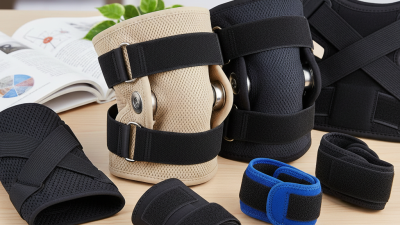
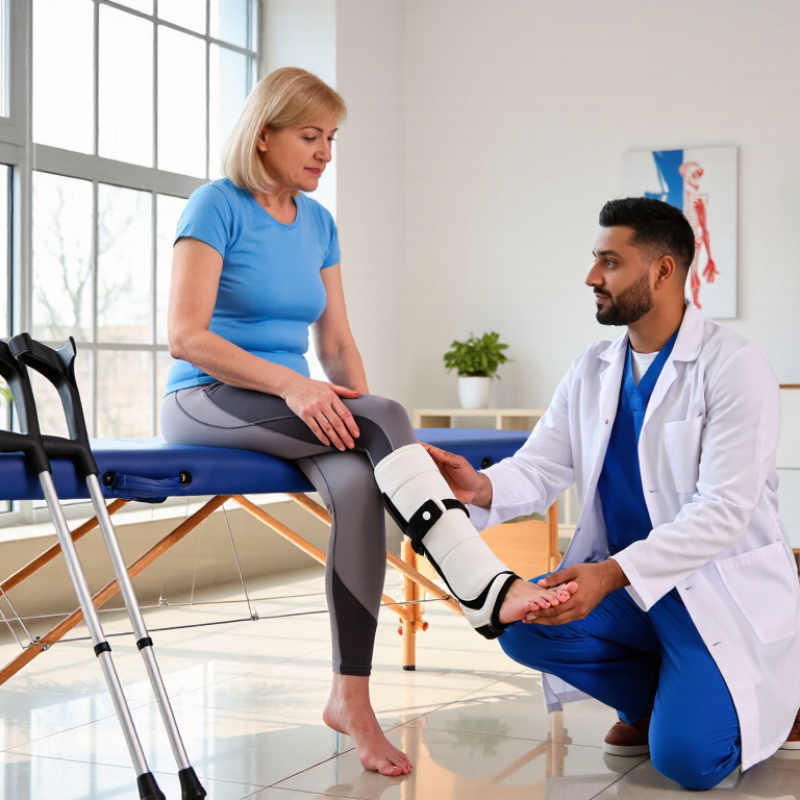
Leg splints are used to support, protect, and guide the lower limb when normal movement becomes painful or unstable. They may help after fractures, ligament injuries, nerve problems, muscle weakness, or surgery. Some designs hold the ankle in a neutral position. Others limit movement while tissues heal. A child with cerebral palsy may use an ankle-foot orthosis for alignment. An adult recovering from a broken ankle may need temporary protection during walking.
Sports medicine physician Dr. Jordan D. Metzl has stated, “The key to treating shin splints is identifying and correcting the cause.” This principle also matters when choosing leg splints. A splint should match the injury, the person’s walking pattern, and the treatment plan. It should not simply feel tight or look medically impressive. Fit matters. A poorly fitted device can create redness, numbness, pressure marks, or new pain around the knee and hip.
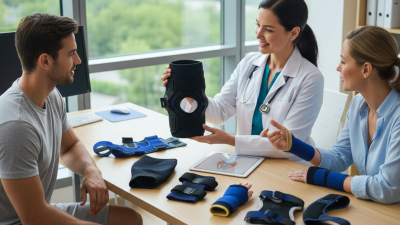
Leg splints can reduce unwanted motion, improve positioning, and make daily activities safer. They do not repair every problem. They are not a substitute for diagnosis, rehabilitation, or professional fitting. A clinician may check skin color, circulation, strength, balance, and gait before recommending one. The process can feel slow. That is often frustrating. Still, rushing back to normal movement may prolong recovery. Users should report increasing pain, swelling, tingling, or skin damage promptly. The most effective splint is not always the most rigid one. It is the device that provides suitable support while preserving safe, useful movement.
Leg Splint Types: Static, Dynamic, Hinged, and Pneumatic Designs
Why Are Leg Splints Used?
Leg Splint Types: Static, Dynamic, Hinged, and Pneumatic Designs
Leg splints help protect injured tissues, limit harmful movement, and support safer positioning during recovery. Clinicians may recommend them after fractures, tendon injuries, nerve problems, or surgery. The right design depends on strength, swelling, skin condition, and the person’s daily activities. A splint should feel supportive, not painfully tight.
Static splints hold the leg or ankle in one position. They can reduce unwanted motion during rest, especially after an acute injury.
Dynamic splints use gentle, controlled tension to encourage movement or correct limited flexibility. They may help with stiffness, but excessive force can irritate tissues.
Hinged splints allow movement within a selected range. This design can support walking while restricting unsafe bending.
Pneumatic splints use adjustable air pressure around the limb. They may improve comfort and stability, although pressure must be checked carefully as swelling changes.
Fit matters more than appearance. A clinician should inspect circulation, sensation, and skin after application. Cold toes, numbness, increasing pain, or blue discoloration require prompt attention. Thin socks can reduce rubbing, but bulky layers may alter the fit. One common mistake is tightening the straps to create “extra support.” That can cause pressure injury instead. Another is using a dynamic or hinged design without checking movement limits. No splint works perfectly for every person. Even a well-fitted device may need adjustment as healing progresses.
Clinical Indications: Fractures, Sprains, Foot Drop, and Contractures
Why Are Leg Splints Used?
Clinical Indications: Fractures, Sprains, Foot Drop, and Contractures
Leg splints help protect injured limbs while tissues heal. After a fracture, a splint can limit movement and reduce painful pressure around the injured area. It may also allow swelling to develop safely, unlike a tight, fully enclosed cast. Clinicians check circulation, skin color, sensation, and toe movement during follow-up visits.
Small changes matter.
For sprains, a splint may support unstable joints during walking or transfers. It can reduce unwanted twisting while the person gradually regains strength. However, prolonged immobilization may cause stiffness and weakness. The right duration depends on injury severity, swelling, pain, and clinical examination. Imaging may be needed when a fracture remains possible.
A splint can also hold the ankle in a safer position for people with foot drop. This may reduce toe dragging and lower the risk of tripping. For contractures, gentle positioning can preserve available range and improve comfort. It cannot reverse every fixed deformity. A therapist may combine splinting with stretching, strengthening, gait training, and skin checks.
Fit is crucial, especially near the heel, ankle bones, and toes. Redness that persists, numbness, increasing pain, or cold toes requires prompt medical review.
Splints are useful tools, but they are not automatically suitable for every leg problem. Misjudging the fit is an easy mistake.
Biomechanics: Three-Point Pressure and Controlled Joint Immobilization
Why Are Leg Splints Used?
Leg splints apply three-point pressure to control unwanted movement. Two pressure points act on one side of the limb. A counterpressure point acts on the opposite side. Together, they resist bending around the injured area. This principle helps limit angular deformity without requiring a rigid, complete cast. A 2021 Global Burden of Disease analysis estimated 178 million new fractures worldwide in 2019. That scale highlights the need for practical early stabilization, especially before definitive imaging or surgery.
Controlled joint immobilization also matters. A splint can stabilize the joints above and below a suspected fracture. It may reduce muscle spasm, pain, and secondary tissue stress during transport. NICE guideline NG38 recommends immobilization and repeated neurovascular assessment for suspected long-bone fractures. Clinicians should check skin color, temperature, sensation, and distal pulses before and after application. Too much pressure can compromise circulation. Too little pressure may allow harmful movement.
The model is useful. Real limbs are not beams. Swelling, soft tissue thickness, and irregular fractures change pressure distribution. Splints must therefore be fitted carefully and reviewed often. A comfortable fit is not always a safe fit. Experienced assessment remains essential, particularly when pain increases or numbness appears. Further research should compare pressure patterns across different injuries, because current guidance does not make every situation equally predictable.
A leg splint uses three-point pressure: two forces act on one side of the limb while a counterforce acts on the opposite side. This controlled force system limits unwanted joint movement. The waveform shows representative ankle sagittal-plane motion during a normal gait cycle; an immobilizing splint aims to hold the ankle close to a selected neutral position rather than allowing the full movement pattern.
Fitting Standards: Maintaining the Ankle at Approximately 90 Degrees
Why Are Leg Splints Used?
Leg splints help support the ankle, improve alignment, and limit unwanted movement. A key fitting standard is keeping the ankle at approximately 90 degrees. This position holds the foot close to a neutral angle. It can reduce strain during rest, standing, or walking. The exact purpose depends on the person’s movement, strength, and medical needs.
The 90-degree target is useful, but it is not a magic number. Real bodies rarely fit diagrams perfectly. A trained clinician checks the ankle, knee, calf, and foot together. The heel should sit fully inside the splint. The foot should not slide forward. Straps must feel secure without pressing sharply into the skin. Toes should remain warm, normally colored, and free from numbness.
Small details matter. A heel lifted by a few millimeters can change the ankle position. A tight calf may make 90 degrees uncomfortable or unrealistic. In that situation, forcing the foot into place may create pressure instead of support. Fit should be reviewed while the person lies down and, when appropriate, while standing or walking. Skin checks are essential after use, especially around the heel, ankle bones, and front of the leg. Some fitting decisions need adjustment later. That is normal, not failure. Pain, swelling, persistent redness, or new weakness requires professional review.
Safety Monitoring: Skin Checks Every 2 Hours and Neurovascular Assessment
A leg splint limits movement, supports injured tissues, and helps maintain safer alignment during early recovery. It may also reduce pain caused by accidental twisting. Yet the splint is not passive protection. Swelling can change its fit within hours.
Skin checks every two hours help identify pressure before it becomes serious. Look beneath exposed edges for redness, warmth, blistering, drainage, or broken skin. Compare both legs when possible. Ask about burning, numbness, tingling, or increasing pain. These details can reveal pressure that the patient cannot easily see. Keep the skin clean and dry, but do not insert objects under the splint. I have seen small red marks dismissed too quickly. That was a mistake.
Neurovascular assessment should follow the prescribed two-hour schedule and local clinical protocol. Check color, temperature, capillary refill, pulses, sensation, and active movement. Assess pain carefully, especially pain that seems disproportionate or worsens despite medication. Record findings and compare them with earlier observations. An absent pulse, pale or blue toes, increasing tightness, new weakness, or loss of sensation needs urgent clinical review. Do not remove or adjust the splint unless a qualified clinician directs you. Reassessment matters.