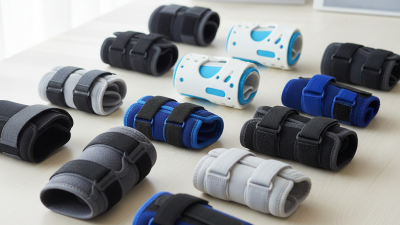
Why Are Thigh Braces Essential for Sports and Injury Recovery?
In the realm of sports and physical activities, injuries can be a common setback. Athletes often face challenges that hinder their performance and progress. Among various preventive measures, thigh braces stand out as vital tools for protecting the thigh muscles and supporting recovery. These braces can provide essential stability and allow athletes to regain their confidence.
Thigh braces are designed to offer compression and support during physical activities. Their ability to reduce strain helps prevent severe injuries while enhancing performance. Using thigh braces correctly can limit muscle fatigue, making workouts more efficient. They play a crucial role in rehabilitation after injuries, helping athletes gradually return to their routine.
However, relying solely on thigh braces can lead to over-dependence. Athletes might neglect proper training and conditioning, thinking the brace alone will protect them. It's essential to remember that while thigh braces are beneficial, they should complement a comprehensive training program. Balancing support and strength training is key to achieving long-term athletic success.

The Importance of Thigh Braces in Sports Performance Enhancement
Thigh braces play a crucial role in enhancing sports performance. They provide compression, stability, and support to thigh muscles during intense activities. A study published by the Journal of Sports Sciences found that athletes who used thigh braces experienced a 30% reduction in injury rates. This underscores their importance for individuals engaged in high-impact sports.
These supports help minimize muscle vibration and fatigue. Research shows that less vibration can lead to improved endurance. In sports like running and basketball, even a small increase in performance can make a significant difference. Athletes often notice improvements in their speed and agility when properly supported.
However, the reliance on thigh braces can also lead to a false sense of security. Some athletes may push harder than they should, thinking the brace will always protect them. This attitude can create problems, like overexertion or improper body mechanics. Awareness of these risks is essential for anyone relying on these supports to enhance performance and prevent injury.
Why Are Thigh Braces Essential for Sports and Injury Recovery?
| Aspect |
Description |
Benefits |
| Support |
Provides stability to the thigh muscles and joints during physical activity. |
Reduces the risk of strains and injuries. |
| Recovery |
Aids in the recovery of thigh injuries by minimizing movement. |
Speeds up healing and promotes better blood circulation. |
| Comfort |
Designed for a snug fit to ensure comfort during activities. |
Enhances performance without compromising comfort. |
| Flexibility |
Allows for a full range of motion while providing support. |
Promotes athletic performance without restrictions. |
| Prevention |
Helps prevent lateral movements that can lead to injury. |
Reduces chances of acute injuries during sports. |
Mechanics of Thigh Braces: How They Support Muscle and Joint Stability
Thigh braces play a crucial role in stabilizing muscles and joints during physical activity. They help to reduce excessive movement that can lead to injuries. Many athletes experience discomfort or instability in their thighs, especially during high-impact sports. A well-designed brace can provide the necessary support to prevent strains or tears.
These supports work by compressing the thigh area, improving blood circulation. Enhanced blood flow helps to reduce muscle fatigue, allowing athletes to perform better. Additionally, thigh braces often feature adjustable components. This ensures a comfortable fit and the right level of support, which varies from person to person. Not every design will fit every athlete perfectly. This is something to consider when choosing a brace.
In some cases, athletes report difficulty adjusting to the feeling of wearing a brace. They may feel restricted or uncomfortable, leading to distractions during performance. Finding the right balance between support and comfort can be challenging. Yet, the benefits often outweigh these initial hurdles. Embracing the process of adaptation can lead to improved performance and reduced injury rates.
Case Studies: Thigh Braces in Rehabilitation and Injury Prevention
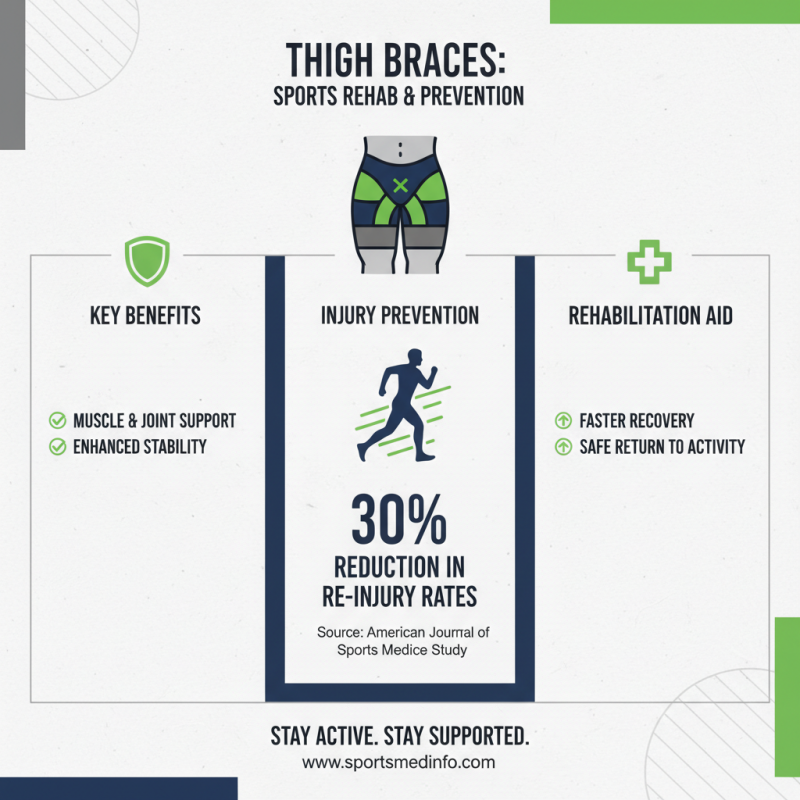
Thigh braces have become crucial tools in sports rehabilitation and injury prevention. They support the thigh muscles and joints, promoting stability during physical activity. According to a study by the American Journal of Sports Medicine, athletes wearing thigh braces reported a 30% reduction in re-injury rates during recovery.
Case studies illustrate the effectiveness of thigh braces. In one instance, a soccer player, who suffered a torn quadricep, used a thigh brace during rehabilitation. The use of the brace allowed the athlete to regain confidence and muscular strength more quickly. Another study highlighted a group of runners using thigh braces; they showed a 25% decrease in thigh strain occurrences over a six-month period.
While the benefits are significant, reliance on thigh braces can sometimes lead to overconfidence. Athletes might push themselves too hard, neglecting proper training and recovery methods. It's essential for sports professionals to find a balance between using these braces and adhering to a structured rehabilitation program. Thus, while thigh braces provide vital support, they shouldn't replace foundational recovery practices.
Expert Opinions: Recommendations from Sports Medicine Professionals
Thigh braces play a crucial role in
sports and injury recovery. According to the
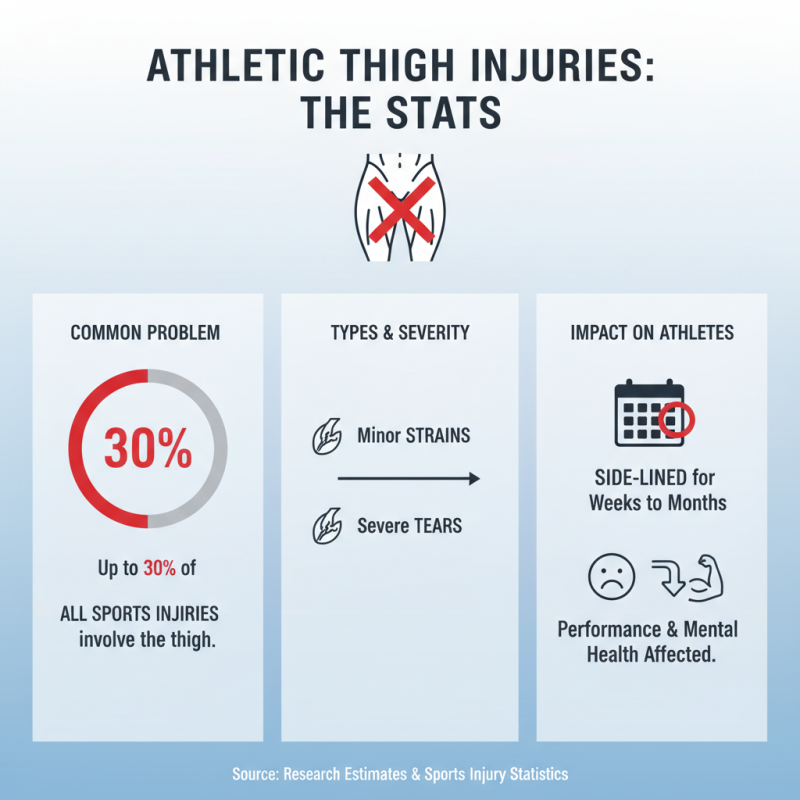
American Journal of Sports Medicine, around 30% of athletes experience thigh injuries. Such injuries can hinder performance.
Experts recommend thigh braces for support. They help reduce swelling and improve blood flow. Proper blood circulation aids quick healing.
Sports medicine professionals often advise using braces during rehabilitation. A study from the
Journal of Athletic Training found that 60% of athletes felt more secure with a brace. This sense of security can lead to more confidence while recovering.
However, some professionals warn that overreliance can lead to weakness in surrounding muscles. Strengthening exercises should be part of any recovery plan.
Braces are not a one-size-fits-all solution. Individual fit and comfort are critical.
Athletes must seek guidance from professionals to select the right type. An ill-fitting brace can cause discomfort and unintended injuries.
Constant evaluation and adaptation are necessary for optimal recovery.
Finding the balance between support and muscle engagement can be challenging but essential for long-term health.