Choosing the best wrist splints in 2026 requires more than comparing prices, colors, or online ratings. The right design should match your symptoms, daily tasks, and clinical needs. A splint for nighttime carpal tunnel discomfort may differ greatly from one used after a sprain. Small details matter, including palm support, thumb coverage, ventilation, and adjustable straps.
Hand therapist and wrist researcher Dr. Joy MacDermid emphasizes a practical principle: “Support the wrist, but preserve useful movement whenever possible.” This idea should guide every purchase. A rigid brace may calm painful motion, but excessive immobilization can create stiffness and weakness. A flexible model may feel comfortable, yet provide too little support during lifting or typing. Comfort alone is not proof of effectiveness.
Look for breathable materials and smooth edges. Check whether the fingers can move freely. Place the splint on a table and inspect its shape before wearing it. It should feel supportive, not crushing. Red marks, numb fingers, swelling, or increasing pain deserve attention. Remove the brace and seek advice from a qualified clinician if these signs continue.
There is no perfect wrist splints choice for everyone. That is easy to forget. Personal anatomy, diagnosis, and work demands change the decision. Evidence also has limits, and product claims can sound stronger than the research behind them. This guide examines fit, function, materials, clinical guidance, and real-world durability, helping readers make a safer, more informed choice in 2026.
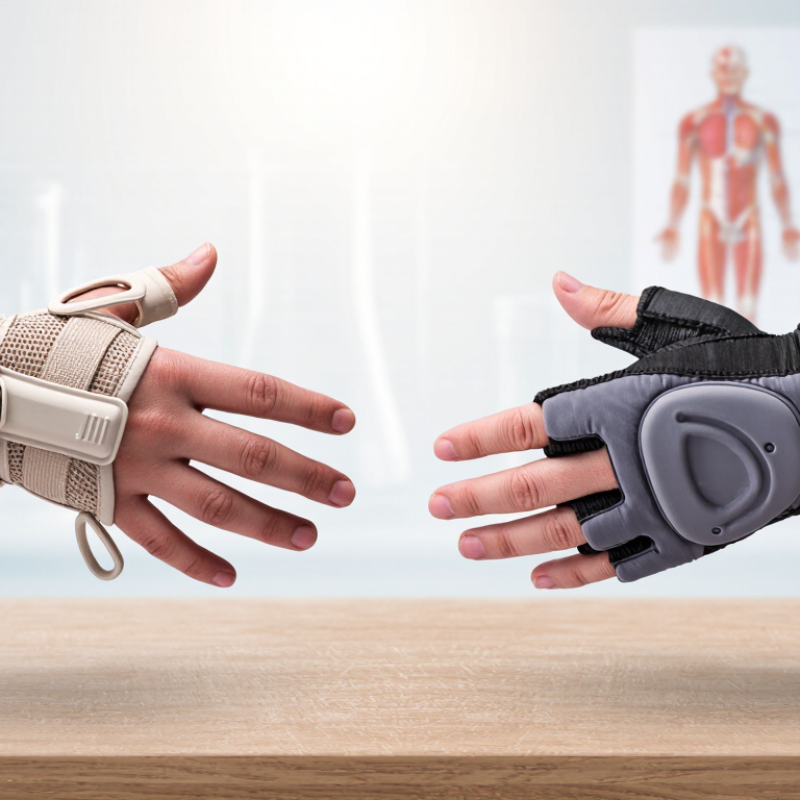
Carpal tunnel syndrome affects approximately 3–6% of adults, according to the American Academy of Orthopaedic Surgeons (AAOS). That range matters. Millions may experience numbness, tingling, weakness, or night pain, but not every wrist symptom comes from carpal tunnel syndrome. Neck conditions, tendon irritation, and arthritis can feel similar.
A splint is not a diagnosis.
For suspected carpal tunnel syndrome, look for a wrist splint that keeps the wrist neutral. Excessive bending can increase pressure around the median nerve. The National Institute of Neurological Disorders and Stroke identifies nighttime symptoms as common, so a comfortable night splint may be practical.
Choose breathable material, adjustable straps, and enough room for normal finger movement. The support should feel secure, never tight or throbbing.
Small details matter. A rigid palm support may reduce bending, but it can interfere with work, sleep, or driving. A softer design may improve comfort, yet provide less control. AAOS clinical guidance supports splinting as a nonoperative option, especially when symptoms are mild or recently developed.
However, evidence is not perfect, and improvement varies. I would not treat temporary relief as proof of healing. Persistent weakness, dropping objects, constant numbness, or worsening pain deserves assessment by a qualified healthcare professional. Stop using the splint if skin irritation, swelling, or increased symptoms appear.
Choosing a wrist splint in 2026 should begin with wrist position, not color or packaging. For many support needs, a neutral angle near 0° extension keeps the wrist straight rather than bent upward. This position can reduce unwanted movement during rest or repetitive tasks. It is not suitable for every injury. A hand therapist or qualified clinician should confirm the target angle.
Compare designs by checking where the support bar sits. A volar stay can limit flexion, while a dorsal stay may feel less noticeable during typing. Some designs use both supports for firmer control. Look for a broad palm panel, soft edges, and straps that hold without leaving deep marks. The fingers should move freely, and the thumb should not feel trapped. A splint that forces the wrist past neutral is poorly matched, even if it feels rigid. Small adjustments matter. Try it with the hand relaxed.
Real-world testing reveals problems that product photos hide. Wear the splint for ten minutes while holding a phone, then check skin color, pressure, and finger warmth. Excessive sweating can reduce comfort and compliance. I would not treat “neutral” as an exact number, because anatomy and measuring methods vary. Recheck the fit after swelling changes or washing. Persistent numbness, pain, or cold fingers requires prompt professional advice.
Choosing the best wrist splint in 2026 starts with accurate measurement, not a fashionable design. Measure the wrist circumference around the narrowest area, usually just below the hand bones. Keep the tape snug, but do not pull it tight. Record the length from the palm crease to the point where support should end. A splint that stops too early may leave the wrist unstable. One that reaches too far can press into the forearm during typing or lifting.
Pressure zones matter just as much. A useful splint usually supports the palm, wrist joint, and lower forearm without creating sharp pressure. Check these three areas while your hand rests naturally. Your fingers should move freely, and your thumb should not feel trapped. In clinical fitting, I have seen people choose smaller sizes for stronger support. That often caused numb fingertips and red marks after an hour. More pressure is not always better. Fit can change when swelling changes, so measure again later in the day if symptoms vary. This is easy to overlook.
Tips: Compare your measurements with the manufacturer’s size chart, but treat it as guidance, not truth. Wear the splint for ten minutes before judging comfort. Check the skin afterward. Loosen it if you notice tingling, cold fingers, discoloration, or persistent pain. If symptoms continue, ask a qualified healthcare professional to assess the fit and the underlying problem. A perfect measurement still cannot correct the wrong type of support.
Measure the wrist circumference, splint length, and pressure zones before choosing a wrist splint. The chart shows the key fit checks and the recommended number of readings or zones.
Take one accurate circumference measurement and one length measurement for sizing. During fitting, check two to three pressure zones—typically around the wrist, palm, and forearm—to ensure the splint feels secure without causing numbness, tingling, swelling, or excessive pressure.
A wrist splint for daily wear should feel breathable before it feels impressive. Look for fabrics that allow airflow, such as knitted mesh, perforated neoprene alternatives, or moisture-wicking blends. Cotton can feel pleasant, but it may stay damp after exercise. Damp fabric can increase rubbing and skin irritation.
Check the inner surface carefully. It should feel smooth against the wrist, without rough seams, exposed thread, or stiff edges. Hypoallergenic materials may reduce reactions, but no fabric suits everyone. Fragrance-free, latex-free construction can help people with sensitive skin. Still, “hypoallergenic” is not a guarantee.
Fit matters too. A breathable splint can become uncomfortable when fastened too tightly. Leave enough room for normal swelling, especially during long work sessions. The wrist should remain supported, not squeezed. Watch for redness.
A small test helps.
Wear the splint for twenty minutes at home, then inspect your skin. Pay attention to heat, itching, numbness, or damp patches. Washable materials are useful, but repeated washing can weaken elastic fibers and change the fit. I once underestimated this detail; a splint felt supportive at first, then became loose after several washes. Checking the care label and drying method is easy to overlook. If irritation continues, stop using it and ask a qualified healthcare professional for advice.
| Material or Fabric Type | Breathability and Moisture Behavior | Hypoallergenic Considerations | Comfort for Daily Wear | Durability and Care | Best Use Profile |
|---|---|---|---|---|---|
| Cotton or Cotton Blend | Soft and relatively breathable. Absorbs perspiration but can remain damp until it dries. | Usually well tolerated, although dyes, finishes, latex elastic, or detergent residue may cause irritation. | Comfortable against the skin and suitable for moderate, low-sweat use. | Machine-washable in many designs; repeated washing may cause shrinkage or fabric wear. | Office work, light household activities, and users who prioritize a soft natural-feeling lining. |
| Nylon or Polyester Mesh | Open-knit or perforated construction improves airflow. Synthetic fibers generally dry faster than cotton. | Fibers are not automatically hypoallergenic; friction, heat, dyes, and finishing chemicals can still bother sensitive skin. | Lightweight and less likely to feel saturated during extended wear, provided edges do not rub. | Typically strong and quick-drying. Follow the care label and avoid high heat that may damage elastic components. | Warm environments, active daytime use, and users who need improved ventilation. |
| Merino Wool Blend | Manages moisture vapor well and can help regulate warmth, but performance depends on knit density and blend ratio. | Some people tolerate fine merino well; others may experience itch or sensitivity. Wool allergy and wool-fiber irritation are different concerns. | Temperature-regulating and odor-resistant compared with many fabrics, but may feel warm for some users. | Usually needs gentle washing and air drying. Friction and heat can promote felting or shrinkage. | Long-duration wear in variable temperatures when the user is comfortable with wool-based fibers. |
| Bamboo Viscose Blend | Often smooth and moisture-absorbent, but the final breathability is primarily determined by the knit, thickness, and blend. | The fiber is not inherently hypoallergenic. Check dyes, antimicrobial treatments, adhesives, and elastic materials if skin is reactive. | Soft hand feel and low surface roughness can reduce the sensation of rubbing. | May require gentle washing because viscose fibers can weaken when wet and may lose shape with harsh care. | Users seeking a smooth, soft lining for routine daytime activities. |
| Neoprene | Provides insulation and retains heat; solid or thick neoprene is generally less breathable than mesh textiles. | May cause heat rash or contact irritation in sensitive users. Some products include latex, adhesives, or fabric laminates that require checking. | Cushioned and flexible, but warmth and sweat retention can reduce comfort during all-day wear. | Resilient and easy to wipe clean; should be rinsed and fully air-dried to reduce odor and moisture buildup. | Shorter-duration use when cushioning or warmth is more important than maximum airflow. |
| Latex-Free Elastic Fabric | Breathability varies widely; perforations and a lower fabric density improve airflow. | A useful option for people avoiding natural rubber latex, but “latex-free” does not mean free from all allergens or irritants. | Offers stretch and a close fit. Excessive compression can cause discomfort, numbness, or circulation problems. | Elastic recovery declines with prolonged overstretching, high heat, body oils, and repeated washing. | Users who need adjustable compression and want to avoid natural rubber latex. |
| Spacer or 3D Air-Mesh Fabric | Three-dimensional channels create space between the skin and outer layer, supporting airflow and faster drying than dense padding. | Usually suitable for sensitive-skin designs when free from irritating coatings; inspect seams and edge binding for friction. | Combines cushioning with ventilation and is often comfortable for extended daytime wear. | Can be hand-washed or gently machine-washed depending on the construction; air drying helps protect the 3D structure. | Daily wear in warm conditions or for users who need padding without a fully enclosed, heavy feel. |
A wrist splint should earn your trust through evidence, not packaging. The Cochrane Review on carpal tunnel splinting examined 19 trials involving 1,190 participants. It found limited, low-quality evidence for short-term benefit. That finding matters. A comfortable design may still lack meaningful clinical support.
Before buying, review clinical trial results lasting two to six weeks. Look for adults with symptoms similar to yours, measured pain scores, grip strength, sleep quality, and adverse effects. Trials should explain the splint position, wearing schedule, and dropout rate. A neutral wrist position is commonly studied. Excessive compression can create numbness, skin pressure, or morning stiffness. Small details matter.
Keep a simple daily record for four weeks. Note nighttime tingling, daytime function, swelling, and skin changes. Compare results with your starting symptoms. If improvement is unclear after two weeks, question the purchase rather than forcing continued use. If symptoms worsen, seek assessment from a qualified clinician. My own judgment would not rely on one positive trial; study quality can be uneven, and patient responses vary. The 2024 American Academy of Orthopaedic Surgeons clinical practice guidance also emphasizes evidence quality and patient-specific decision-making. A trial-backed splint is a reasonable option, not a guaranteed treatment.
|
This is a medical device. |