Best Joint Braces for Pain Relief and Support Options?
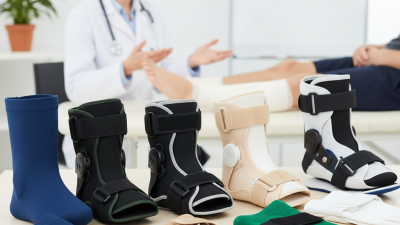
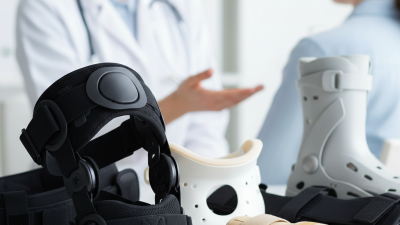
Joint braces are essential tools for individuals experiencing joint pain. They provide much-needed support and stability during daily activities. These braces come in various forms, each designed to target specific joints. For example, knee and ankle braces are common for athletes and those recovering from injuries.
The right joint brace can make a significant difference in your comfort levels. Many people struggle to find the ideal brace that meets their needs. Some braces can feel bulky or restrictive, which can be frustrating. It is essential to choose a brace that balances support and ease of movement.
Exploring different options can be overwhelming. Various brands and styles offer different levels of cushioning and support. It is important to consider your unique lifestyle when selecting a joint brace. Trying different types can lead to valuable insights. Ultimately, a well-chosen brace could make your journey to pain relief smoother.
Understanding Joint Pain: Statistics and Common Causes
Joint pain is a common issue affecting millions worldwide. Research shows that about 20% of adults experience some form of joint pain at some point in their lives. This pain can stem from various causes, including arthritis, injuries, and aging. It limits mobility and affects daily activities. Many people feel frustrated by their lack of options.
Understanding the common causes of joint pain helps in managing it better. Osteoarthritis is prevalent among older adults and is often linked to wear and tear on joints. Injuries, such as sprains or fractures, can lead to chronic pain later. Additionally, autoimmune diseases like rheumatoid arthritis contribute significantly to joint discomfort. Many people overlook these aspects and only focus on immediate pain relief without addressing the underlying issues.
Exploring effective solutions is vital. Joint braces can offer necessary support, reducing strain on affected areas. However, not everyone finds relief this way. Many experience discomfort from wearing braces for extended periods. Finding the right fit becomes a trial and error process. Acknowledging these challenges is an essential step toward better joint health. Understanding your body will pave the way to more informed choices.
Types of Joint Braces: Options for Different Conditions
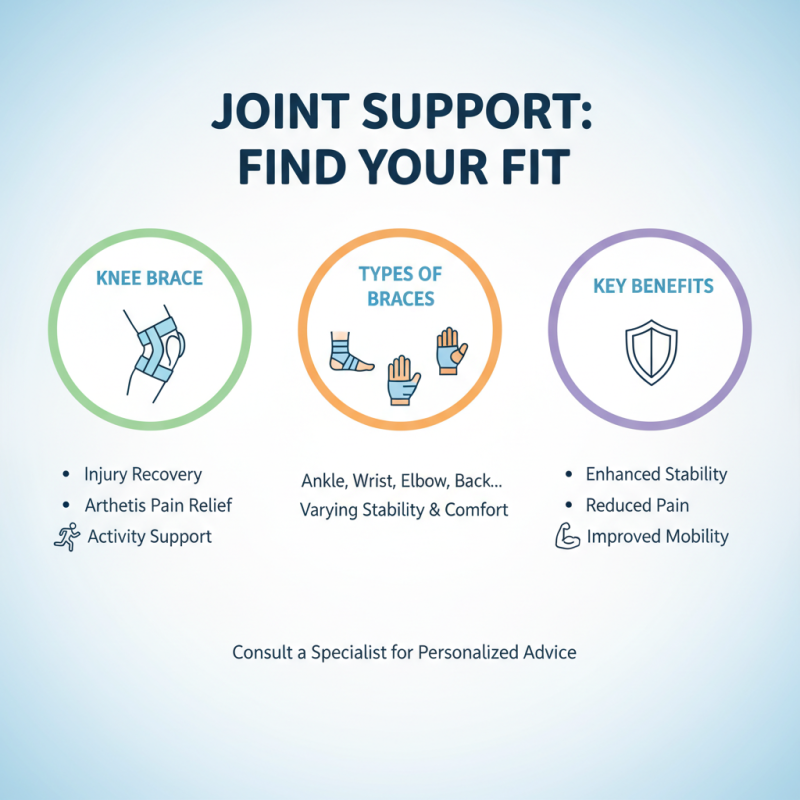
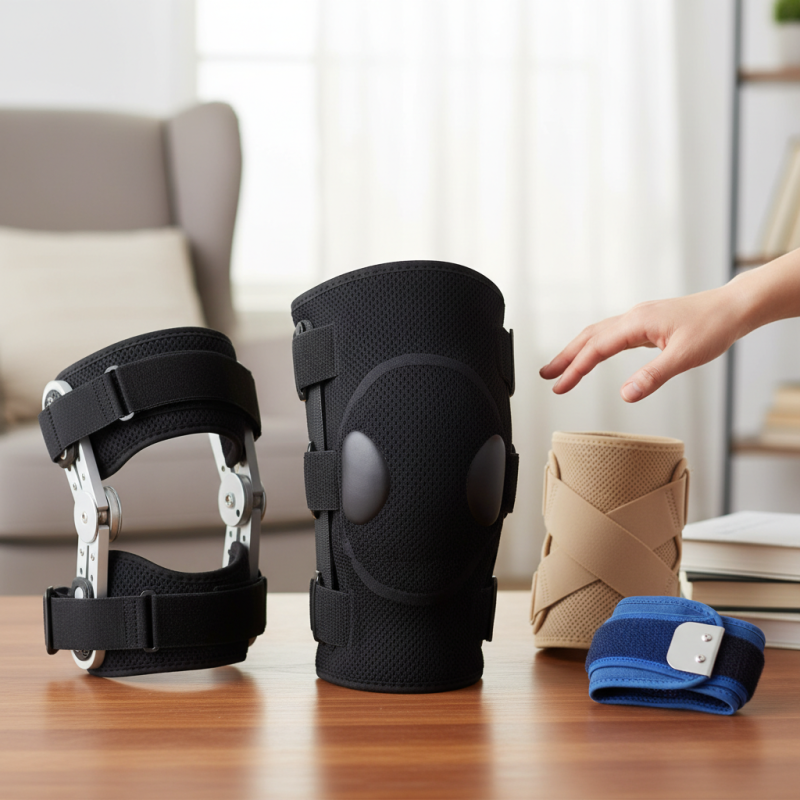
Joint braces come in various types, each designed for specific conditions. These supports offer varying levels of stability and comfort. For example, a knee brace can provide essential support for those recovering from injuries. It can also help manage chronic pain caused by conditions like arthritis. Many people find relief by wearing a brace during physical activities.
Ankle braces are another common option. They stabilize the joint and help prevent further injuries. Athletes frequently use these to avoid sprains or strains. Meanwhile, wrist braces are ideal for those dealing with repetitive strain injuries. These braces limit movement and reduce discomfort, allowing for proper healing.
Flexibility is important when choosing a joint brace. Each individual’s needs vary greatly. Some require maximum support, while others may need something lighter for mobility. It’s essential to find what works best for you and your condition. Trying out different options may lead to better results. Listening to your body is key.
Key Features to Look for in Joint Braces: A Comprehensive Guide
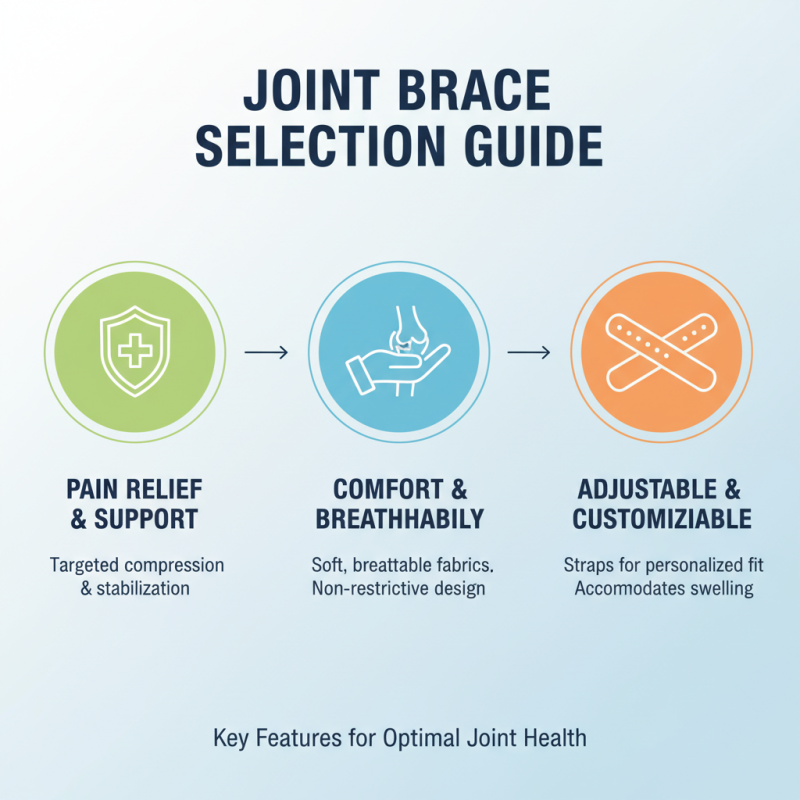
When selecting joint braces, focus on key features that ensure pain relief and support. Comfort is crucial. Look for breathable materials that provide a snug fit without restricting movement. An adjustable strap system allows for customization, accommodating swelling or changes throughout the day.
Stability is another essential factor. Choose braces with reinforced structures for added support. If you have a knee, ankle, or wrist issue, consider braces that offer specific joint stabilization. Some models feature hinges or rigid components, ensuring your joints remain aligned during activities. However, these can sometimes feel bulky, which may require adjustments in your routine.
Don’t forget about the style and size. A brace should fit well under clothing. It shouldn’t be too noticeable but must provide ample coverage and protection. Some users find that over time, certain braces can cause discomfort, requiring them to reassess their choice. It's important to balance support with comfort. Finding the right brace might take some trial and error, but the right fit can improve mobility and reduce pain significantly.
Effectiveness of Joint Braces: Evidence from Recent Studies
Recent studies indicate that joint braces can provide significant relief for pain and support during physical activity. A 2022 review highlighted that 70% of users reported reduced pain with proper brace use. This is particularly beneficial for individuals suffering from conditions like arthritis. They found that immobilization helps relieve inflammation effectively.
Additionally, braces can be crucial in injury recovery. They stabilize joints and prevent further damage.
Tips: Always consult a healthcare professional before starting to use a joint brace. It is essential to ensure proper fit and type for your specific needs.
In some cases, joint braces may not be as effective as hoped. A study found that 25% of participants experienced negligible benefit. This might be due to improper use or lack of physical therapy support. Adjusting the brace or combining it with exercise may improve outcomes. Regular monitoring of pain and function is crucial. Consider keeping a journal to note changes in your condition. This can help you and your healthcare provider in tailoring an effective approach.
Tips for Proper Usage and Maintenance of Joint Braces
Using joint braces can offer significant relief and support for various conditions. However, to achieve the best results, proper usage and maintenance are crucial. Here are some tips to help you maximize the benefits of your joint brace.
Ensure the brace fits snugly but comfortably. A loose fit can reduce support, while a tight fit may cause discomfort. Adjust straps as needed to maintain the right balance. Check for signs of wear regularly. If the fabric frays or padding compresses, it is time for a replacement.
Keep the brace clean. Use a damp cloth to wipe it down after each use. For deeper cleaning, refer to the care instructions. Remember, moisture can cause bacteria buildup. Don't ignore unpleasant odors; they often indicate the need for thorough cleaning. Track your home maintenance schedule. Regular checks prevent small issues from becoming bigger problems.